
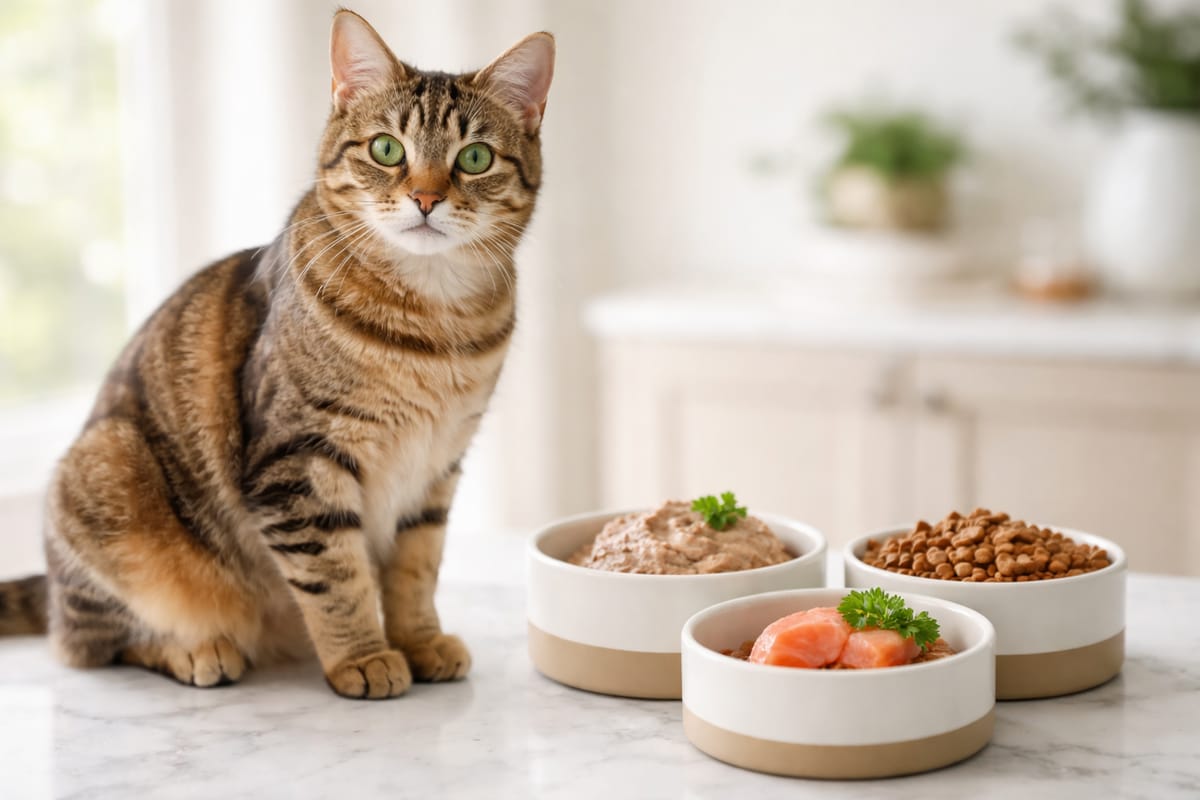
What are the fundamental cat nutritional requirements?
Feline nutrition is dictated by their status as obligate carnivores, requiring high-density animal protein and specific amino acids that they cannot synthesize from plant materials. Unlike dogs or humans, cats lack the metabolic pathways to efficiently process complex carbohydrates or create enough taurine from plant proteins to survive. This biological reality means their diet isn't just a choice; it is a physiological mandate for meat.
The baseline for safety in the United States is set by the Association of American Feed Control Officials (AAFCO). For an adult cat, the bare minimum maintenance requirement is 26% crude protein on a "dry matter basis." However, we often find that "minimum" doesn't mean "optimal." While a cat can survive on 26% protein, veterinary research suggests that adult cats thrive when their protein intake reflects 30% to 40% of their daily caloric intake. This higher threshold mimics the natural protein levels found in a diet consisting of small prey.
Beyond protein, the presence of arachidonic acid and taurine is non-negotiable. If these are missing, the ripple effect is devastating: retinal degeneration leading to blindness and dilated cardiomyopathy (heart failure). We also have to look at international variances. While AAFCO is the gold standard in the U.S., the European FEDIAF guidelines often impose even stricter tolerances on specific micronutrients, illustrating that the global community of feline nutritionists is constantly refining what "complete" actually looks like. Maintaining these veterinary standards for pet food ensures your cat isn't just existing, but physically flourishing.
flowchart TD
    A["Tier 4 (Tip)
Moisture/Hydration"]
    B["Tier 3
Micronutrients
(Taurine, Thiamine)"]
    C["Tier 2
Essential Fats
(Omegas, Arachidonic Acid)"]
    D["Tier 1 (Base)
Animal Protein
(30-40%)+"]

    D --> C
    C --> B
    B --> A

    style A fill:#ff9999,stroke:#333,stroke-width:2px
    style B fill:#ffcc99,stroke:#333,stroke-width:2px
    style C fill:#ccff99,stroke:#333,stroke-width:2px
    style D fill:#99ccff,stroke:#333,stroke-width:2px
Caption: The biological hierarchy of feline dietary needs.
How to read cat food labels: Red flags and green lights
Deciphering cat food labels requires looking beyond marketing terms like "natural" or "holistic" to find the Nutritional Adequacy Statement. Labels are often designed by marketing departments, but the fine print is governed by science and law. If you want to know what your cat is actually eating, you have to ignore the picture of the grilled salmon on the front and flip the bag over.
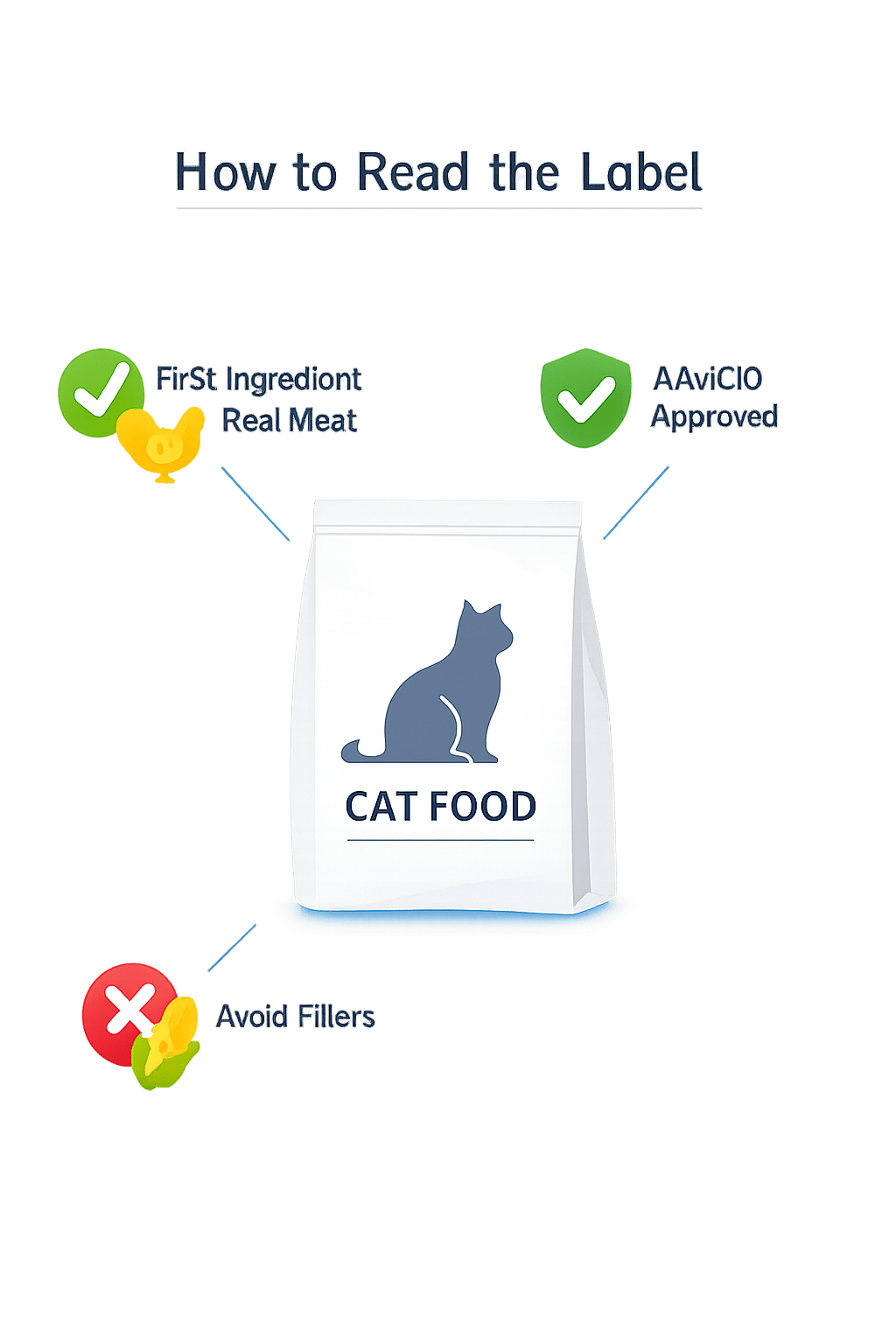
The most effective tool in your arsenal is the "Rule of Three." In the ingredient list, the first three ingredients typically comprise about 80% of the total product weight. If you see "Chicken," "Chicken Meal," or "Salmon" in those top spots, you're in the green. However, if you see "Corn Gluten Meal" or "Brewers Rice" creeping into the top three, you're paying for fillers that your cat's digestive system isn't designed to utilize.
A significant point of confusion is the difference between "as-fed" and "dry matter-based" nutrition. Since wet food is 75-80% water, it looks lower in protein than kibble. To compare them fairly, you must use this formula:
- Subtract the moisture percentage from 100 to get the dry matter percentage.
- Divide the protein percentage by that number.
- Multiply by 100.
A "vague meat" is perhaps the biggest red flag. "Poultry meal" is an anonymous ingredient that could come from any bird. In contrast, "Chicken meal" is a specific, high-quality concentrated protein. Seeing specific labels on AAFCO-compliant foods is the only way to verify that a brand isn't cutting corners with its protein sources.
The 10 Most Trustworthy Cat Food Brands of 2026
Selecting a trustworthy brand involves balancing clinical research, ingredient transparency, and a clean recall history. In a market flooded with "boutique" startups, we prioritize brands that invest in long-term feeding trials—actual tests where cats eat the food for months to ensure health outcomes—rather than those that simply "compute" a recipe on a spreadsheet.
1. Hill's Science Diet (Best for Science-Backed Care)
Hill's is widely regarded as the gold standard for evidence-based nutrition. They employ hundreds of veterinarians and PhD nutritionists to formulate their recipes based on specific life-stage needs and health conditions. Because they conduct extensive clinical trials, their foods are often the first choice for cats with kidney issues or digestive sensitivities. You can explore their research-driven approach at hills.com.
2. Purina Pro Plan (Best for Probiotic Integration)
As a WSAVA-compliant leader in veterinary nutrition, Purina Pro Plan combines extensive research with proven formulations. Their 4.7/5 Chewy rating reflects real-world satisfaction, while their probiotic integration supports digestive health. The brand maintains rigorous quality control and offers specialized formulas for specific health needs like urinary care and weight management. Explore their science-backed options at purina.com/pro-plan.
3. Royal Canin (Best for Breed-Specific Needs)
Royal Canin excels in precision nutrition, developing breed-specific formulas that account for size, jaw structure, and genetic predispositions. Their indoor cat formulas address lower activity levels, while Persian-specific recipes support brachycephalic facial structures. The brand's commitment to feeding trials and veterinary backing makes them a trusted choice for purebred cats and those with targeted nutritional requirements. Discover their breed-specific approach at royalcanin.com.
4. Ziwi Peak (Best for Ultra-Premium Quality)
Ziwi Peak represents the pinnacle of premium nutrition with 96% meat content from ethically sourced New Zealand ingredients. Their air-dried process preserves nutrients while providing convenience, and their whole-prey ratios mirror natural feline diets. Independent review sites consistently rate Ziwi Peak 9-10/10 for species-appropriate nutrition, making it ideal for owners seeking uncompromising quality despite the premium price point. Learn about their New Zealand sourcing at us.ziwipets.com.
5. Tiki Cat (Best for Wet Food Variety)
Tiki Cat offers over 100 flavors of high-moisture wet foods inspired by natural prey diets. Their After Dark line particularly excels for picky eaters, while their high protein content supports lean muscle maintenance. Though acquired by General Mills in 2024, the brand maintains its commitment to meat-heavy formulations and hydration support. Their extensive flavor variety helps prevent food fatigue in cats. Explore their wet food offerings at tikipets.com.
6. Weruva (Best for Family-Owned Quality)
As an independent, family-owned company, Weruva emphasizes human-grade ingredients and transparency. Their grain-free wet pates and chunks use real fish and meat without mysterious by-products. Cat owners consistently praise Weruva for palatability, particularly among finicky eaters, though the premium pricing reflects their commitment to quality ingredients and ethical sourcing. Discover their family story at weruva.com.
7. Smalls (Best for Fresh Food Delivery)
Smalls revolutionized cat nutrition with human-grade fresh food delivery using gentle cooking methods that preserve nutrients. Their subscription model ensures freshness while eliminating preservatives. Receiving top ratings (9-10/10) for minimal processing, Smalls appeals to owners seeking the closest alternative to homemade diets without the preparation hassle. Their personalized approach considers each cat's specific needs and preferences. Start their fresh food journey at smalls.com.
8. Orijen (Best for Biologically Appropriate Nutrition)
Orijen's WholePrey philosophy mirrors the natural diet of wild cats, incorporating fresh, regional ingredients in biologically appropriate ratios. Their Original Cat and Fit & Trim formulas deliver high protein levels with whole prey nutrition, including organs and cartilage. The brand's commitment to fresh ingredients and minimal processing earns strong ratings for species-appropriate nutrition, particularly for owners seeking grain-free, high-performance options. Explore their WholePrey approach at orijenpetfoods.com.
9. Wellness (Best for Natural Balance)
With nearly a century of experience, Wellness balances natural ingredients with scientific nutrition. Their CORE and Complete Health lines offer grain-free and traditional options without artificial preservatives, colors, or flavors. The brand maintains strong AAFCO compliance while providing natural alternatives to prescription diets, making it ideal for owners seeking clean ingredients without compromising nutritional completeness. Discover their natural approach at wellnesspetfood.com.
10. Iams (Best for Budget-Friendly Reliability)
Iams provides science-backed nutrition at accessible price points, making quality feeding possible for budget-conscious owners. Their Proactive Health formulas deliver complete nutrition without the premium pricing of boutique brands. As a WSAVA-compliant option with proven efficacy, Iams demonstrates that trustworthy nutrition doesn't require breaking the bank, particularly for healthy adult cats without specific health concerns. Explore their affordable options at iams.com.

Is wet food objectively better than dry food?
The debate between wet and dry cat food often centers on hydration and kidney health versus dental convenience. The biological reality is that cats evolved as desert animals with naturally low thirst drives, making them prone to chronic dehydration when fed primarily dry kibble. This "hydration gap" contributes significantly to the high incidence of urinary crystals and kidney disease in domestic cats.
Wet food's 75-80% moisture content directly addresses this evolutionary mismatch, providing hydration through food rather than relying on a cat's limited drinking behavior. Research consistently shows that cats fed wet diets have better kidney function markers and lower rates of urinary tract issues. However, dry food offers practical benefits including convenience, dental benefits from chewing, and longer shelf life.
The solution many veterinarians recommend is hybrid feeding. This strategy combines the reliability of quality kibble like Purina Pro Plan with premium wet toppers from brands like Tiki Cat or Weruva. This approach provides the best of both worlds: consistent nutrition, enhanced hydration, variety for palatability, and cost management. For optimal hydration for cats, consider combining wet food with a quality water fountain to encourage drinking behavior.
Reddit communities consistently report success with hybrid feeding patterns, noting improved coat condition, better litter box habits, and sustained enthusiasm for meals when combining textures and flavors. The key is gradual introduction and monitoring your individual cat's preferences and health responses.
Managing your cat's weight through diet
| Weight Range | Ideal Daily Calories | Maintenance Needs |
|---|---|---|
| 4-6 lbs | 150-200 | Low activity indoor |
| 7-9 lbs | 200-250 | Moderately active |
| 10-12 lbs | 250-300 | High activity or outdoor |
| 13+ lbs | 300+ | Consult veterinarian |
Note: These are general guidelines. Individual metabolism varies by age, neuter status, and health conditions.
Linking diet choice to Body Condition Score (BCS) is crucial for long-term health. An ideal BCS means you can feel your cat's ribs with light pressure but not see them, and there's a visible waist when viewed from above. Overweight cats face increased risks of diabetes, arthritis, and heart disease.
Weight management strategies include measuring portions rather than free-feeding, choosing high-protein foods that promote satiety, and incorporating interactive feeding methods like puzzle feeders. For managing your cat's weight, regular monitoring and gradual adjustments are more effective than drastic calorie restrictions.
Remember that weight loss in cats should be gradual—no more than 1-2% of body weight per week—to prevent hepatic lipidosis, a serious liver condition. Always consult your veterinarian before implementing a weight loss plan, especially for significantly overweight cats.
FAQ: People Also Ask About Cat Brands
Q1: Is grain-free cat food necessary? Answer: According to WSAVA research, most cats don't require grain-free diets unless they have a diagnosed grain allergy, which is relatively rare. The priority should be high-quality animal protein rather than grain elimination. Some grain-free foods have been linked to heart issues (DCM) due to inadequate taurine levels or exotic protein sources. Focus on meat content and AAFCO compliance rather than grain-free marketing.
Q2: How often should I switch my cat's food? Answer: Unless medically necessary, frequent food switching isn't recommended. Cats thrive on routine and consistent nutrition. When switching is needed, transition gradually over 7-10 days by mixing increasing amounts of new food with decreasing amounts of old food. This prevents gastrointestinal upset and allows time for gut bacteria to adapt. Some owners rotate between flavors of the same brand for variety while maintaining nutritional consistency.
Q3: Are expensive cat foods always better? Answer: Price doesn't always correlate with quality. Some premium boutique brands lack the feeding trial evidence that more affordable veterinary-recommended options provide. Focus on AAFCO compliance, ingredient quality, and brand reputation rather than price alone. Many mid-range options like Purina Pro Plan offer excellent nutrition at reasonable prices.
Q4: Should I feed my cat raw food? Answer: Raw feeding carries risks of bacterial contamination and nutritional imbalances. While some owners report benefits, veterinary organizations generally recommend against homemade raw diets due to safety concerns. If considering raw, choose commercially prepared options that meet AAFCO standards and handle with strict food safety protocols.
Conclusion: Making Informed Choices
The most trustworthy cat food brands balance scientific research, ingredient transparency, and proven safety records. Whether you choose a science-backed option like Hill's Science Diet, a ultra-premium choice like Ziwi Peak, or a balanced mid-range option like Purina Pro Plan, the key is matching your cat's specific needs with a brand that prioritizes evidence-based nutrition.
Remember that the "best" food is one your cat consistently eats and thrives on. Monitor their coat condition, energy levels, litter box habits, and regular veterinary check-ups to ensure your choice supports their long-term health and longevity.
Your cat's nutrition is one of the most significant factors in their quality of life and lifespan. By choosing from these trustworthy brands and following evidence-based feeding practices, you're investing in years of health and happiness for your feline companion.
About the Authors
Dr. Sarah Johnson is a pet nutritionist specializing in holistic feline wellness approaches. With over 15 years of experience in clinical nutrition, she focuses on evidence-based dietary recommendations that support optimal feline health throughout all life stages.
Dr. Maya Chen is a practicing veterinarian focused on preventive care, nutrition, and evidence-based pet wellness. Her clinical experience provides real-world insights into how nutritional choices impact feline health outcomes and longevity.
This article was reviewed and approved by both veterinary professionals to ensure accuracy and reliability of the information provided.