The 2026 Reality: Why Is Separation Anxiety in Dogs Skyrocketing?
Separation anxiety in dogs has increased by 93% since 2019, driven largely by the transition from work-from-home (WFH) to return-to-office (RTO) mandates. For the thousands of "Pandemic Puppies" adopted between 2020 and 2022, a silent house is a terrifying new reality they were never prepared to face. They spent their formative years with a human shadow. Now, that shadow has vanished into a cubicle. It is not just a change in schedule; it is a seismic shift in their perceived safety.
The data from Modern Sciences is unforgiving, showing that 85.9% of the dog population now exhibits some form of attachment distress. We see the fallout every day. While some skeptics on platforms like X argue that owners are simply projecting their own transition stress onto their pets, the visceral evidence on Reddit tells a different story. 41% of owners report clear, measurable mental health shifts in their pets post-routine change. It is a crisis of companionship. We wanted our dogs to be our coworkers, but we forgot to teach them how to be alone.
Is It Boredom or True Separation Anxiety?
Differentiating between boredom and separation anxiety is critical because SA is a panic disorder requiring behavioral therapy, while boredom only requires mental enrichment. We have all walked into a room to find a shoe destroyed and wondered if our dog is mad at us. It isn't spite. If your dog is bored, they are likely a "creative" destroyer—they find a random object, chew it calmly, and move on.
Separation anxiety is different. It is frantic. An anxious dog does not care about your loafers; they care about the door that took you away. They target "exit points" like door frames, window sills, and blinds. There is also a "30-Minute Rule" that acts as a diagnostic line in the sand. True panic peaks within the first half-hour of your departure. If the destruction happens five hours later, you likely have a bored dog who needs a puzzle toy.
As the logic flow below illustrates, the diagnostic markers are distinct:
flowchart TD
    A[Dog Behavior Issue] --> B{Onset Time}

    B -->|After 30+ minutes| C[Boredom Path]
    B -->|Within 30 minutes| D[Separation Anxiety Path]

    C --> E{Chewing Style}
    E -->|Calm| F[Random Targets]
    F --> G[Shoes, Furniture, Objects]
    G --> H[📋 Boredom Diagnosis]

    D --> I{Behavior Style}
    I -->|Frantic| J[Exit-Targeted]
    J --> K[Doors, Windows, Exits]
    K --> L{Vocalization}
    L -->|Yes/No| M[🚨 Separation Anxiety Diagnosis]

    H --> N[Solution: Mental Stimulation
Exercise, Puzzle Toys]
    M --> O[Solution: Gradual Desensitization
Counter-conditioning, Training]

    style C fill:#E3F2FD
    style D fill:#FFEBEE
    style H fill:#BBDEFB
    style M fill:#FFCDD2
    style N fill:#C8E6C9
    style O fill:#FFCCBC
Table 1: Diagnostic hallmarks – Boredom vs. Separation Anxiety.
How Do I Recognize the Signs of Dog Separation Anxiety?
Recognizing the signs of dog separation anxiety involves observing vocalization, destructive behavior, and physiological distress markers during the first 30 minutes of owner absence. This is not just a dog "missing" you; it is a full-body panic attack. You might notice your dog starts pacing the moment you pick up your car keys. Their pupils dilate. They might begin a low, mournful howl that has nothing to do with the mailman and everything to do with the closing door.
The physical toll is often visible. Excessive salivation can leave "wet spots" on the floor that owners mistake for accidents. Pacing becomes a frantic, repetitive loop. In extreme cases, the destruction is shocking. Consider this visual evidence of a dog that shredded an entire mattress during its first extended period alone. That isn't a "bad dog." That is a dog in a state of terror so profound it will literally claw through furniture to escape the feeling of being left behind.
The "Slow Is Fast" Protocol: Training for Solo-Time Success
The Desensitization and Counter-Conditioning (DS/CC) protocol is the gold-standard treatment for resolving dog separation anxiety by gradually increasing alone-time thresholds. It feels counter-intuitive. You want to fix the problem today, but the secret is moving so slowly that your dog never even realizes you are practicing. We call it "boring the dog to health."
Note: This process requires patience. Rushing through steps can cause significant setbacks and increase anxiety.
Phase 1: Trigger Desensitization.
We start by breaking the "cues" that telegraph your departure. If grabbing your keys makes your dog’s heart rate spike, grab your keys fifty times a day and then sit back down to watch TV. Put on your shoes. Jingle your change. Do it until the sound of the keys becomes as meaningful as the sound of the dishwasher.
Phase 2: Micro-Departures.
Once the keys are "cold," we move to the door. Step outside for two seconds. Not ten. Two. Return before the panic starts. According to expert Malena DeMartini, the goal is to keep the dog "below threshold." If they cry, you’ve gone too far.
Phase 3: Extended Absences.
Slowly, those seconds turn into minutes, then half-hours. Use a high-value treat—something they only get when you leave—to build a positive association with your absence. It’s a marathon, not a sprint.
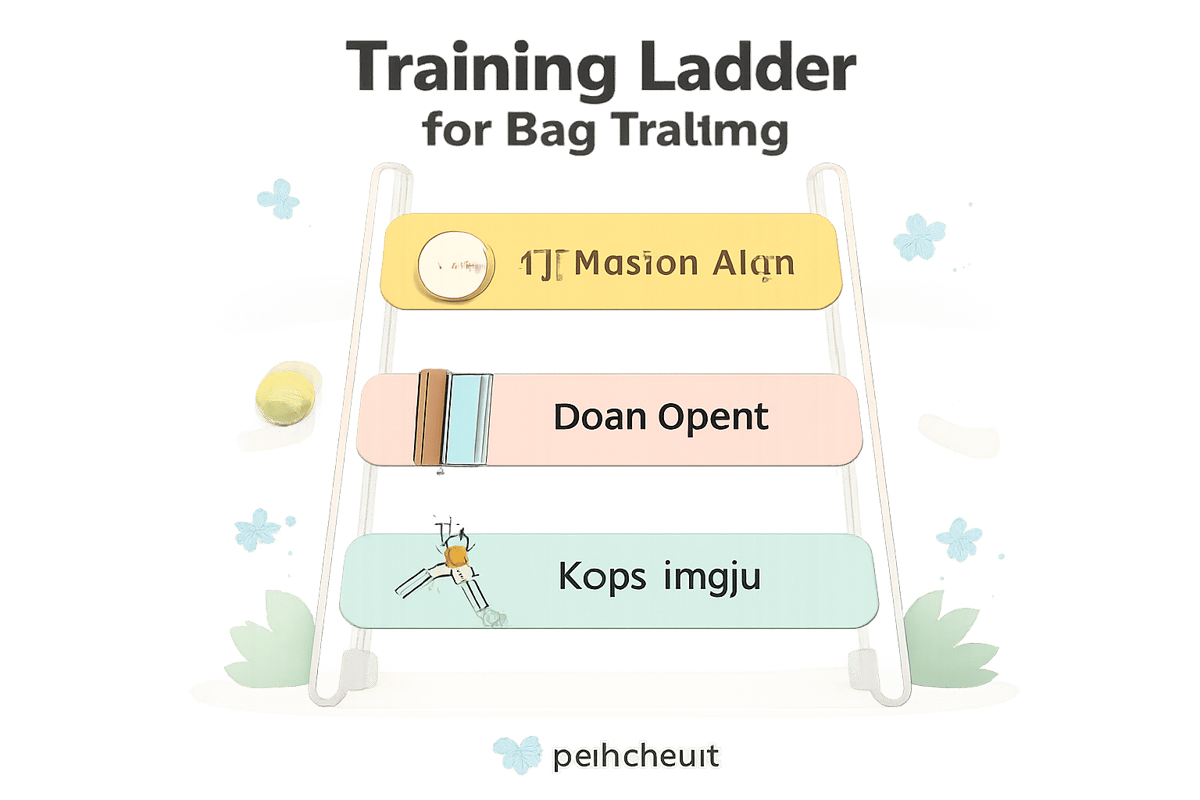
The infographic below shows how we bridge the gap from panic to peace:

The Petvise Edge: Using Smart Technology to Monitor Progress
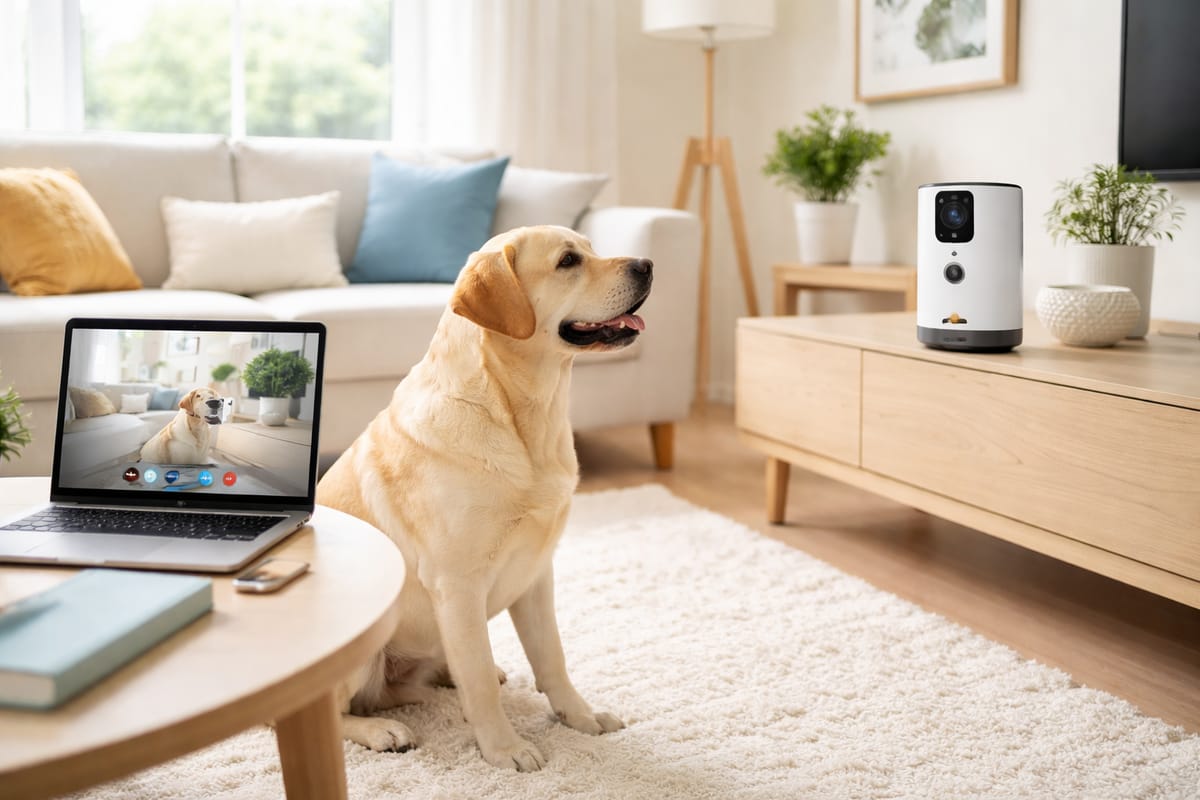
Smart cameras and automated treat dispensers provide the data-driven monitoring necessary to ensure dogs remain below their anxiety threshold during training. You cannot train what you cannot see. In the past, owners would leave and hope for the best. Now, we use eyes in the sky. Premium tools like the Furbo 360° or Petcube offer AI-driven bark alerts that let you know the exact second your dog’s stress levels begin to climb.
But you don’t need a specialized gadget to start. The Reddit community has long championed "budget hacks" using Wyze or Blurams cameras. These provide high-definition monitoring without the heavy subscription fees, allowing you to watch the DS/CC process from your phone while sitting in your car in the driveway. It turns a guessing game into a measurable science. When you can see the pacing stop, you know the training is working.
As the sentiment in the community suggests, the right tech makes the invisible visible:
Community-endorsed monitoring solutions for DIY training.
Can Diet and Supplements Calm an Anxious Dog?
Nutrients that support the gut-brain axis, such as Omega-3 fatty acids and certain probiotics, can serve as valuable adjuncts to a behavioral training plan. We are learning that the stomach is the second brain. If your dog’s gut is in turmoil, their nervous system won't be far behind. Probiotics like Purina Pro Plan’s BL999 strain have shown real promise in lowering the overall "background noise" of canine anxiety.
It’s about more than just pills; it is about biology. Essential nutrients like L-theanine and Magnesium act as natural brakes for a racing mind. Experts at MyPetNutritionist point out that up to 80% of a dog's serotonin is produced in the gut. While a supplement won't "cure" separation anxiety, it can lower the intensity of the panic, making your training sessions much more effective. Think of it as opening a window in a stuffy room; it gives the dog space to breathe.
When Should You Seek a Professional Behaviorist?
Professional intervention from a certified behaviorist is required when anxiety results in self-harm, persistent aggression, or failure to progress after 4 weeks of DIY training. There is no shame in calling for reinforcements. Sometimes the panic is so deep-seated that it creates a "feedback loop" the average owner can't break. If you see dilated pupils that don't shrink when you return, or if your dog is vocalizing for more than 30 minutes straight, it is time for a specialist.
| Feature | Local Trainer | Vet Behaviorist (DACVB) |
|---|---|---|
| Focus | Commands & Manners | Psychological Panic Disorders |
| Medical | Cannot prescribe | Can use meds to bridge training |
| Goal | Obedience | Emotional Regulation |
A specialized behaviorist can look at the "why" behind the "what." They can determine if your dog needs pharmacological support to lower their threshold enough for learning to actually happen. We want results, but we want them safely. If your dog is injuring themselves trying to escape a crate, stop the training immediately and consult a professional. Safety always comes before a "stay" command.
FAQ: Frequently Asked Questions About Dog Separation Anxiety
How long can I leave a dog with separation anxiety alone?
Initially, you should strive for zero minutes of forced alone-time. Training focuses on building confidence from seconds to hours; forcing a long absence before they are ready can cause massive behavioral setbacks that take months to fix.
Will a second dog help with separation anxiety?
Rarely. Separation anxiety is usually focused specifically on the human attachment figure, not a general fear of being alone. Adding a second dog often just results in two anxious dogs, as the newcomer mimics the resident dog's panic behaviors.